
Your Kid Finished the Match and Wants to Play. Here's Exactly What to Do on Monday.
The exact playbook for turning a one-time match-watcher into a soccer kid: ball today, friends this week, rec registration this month.
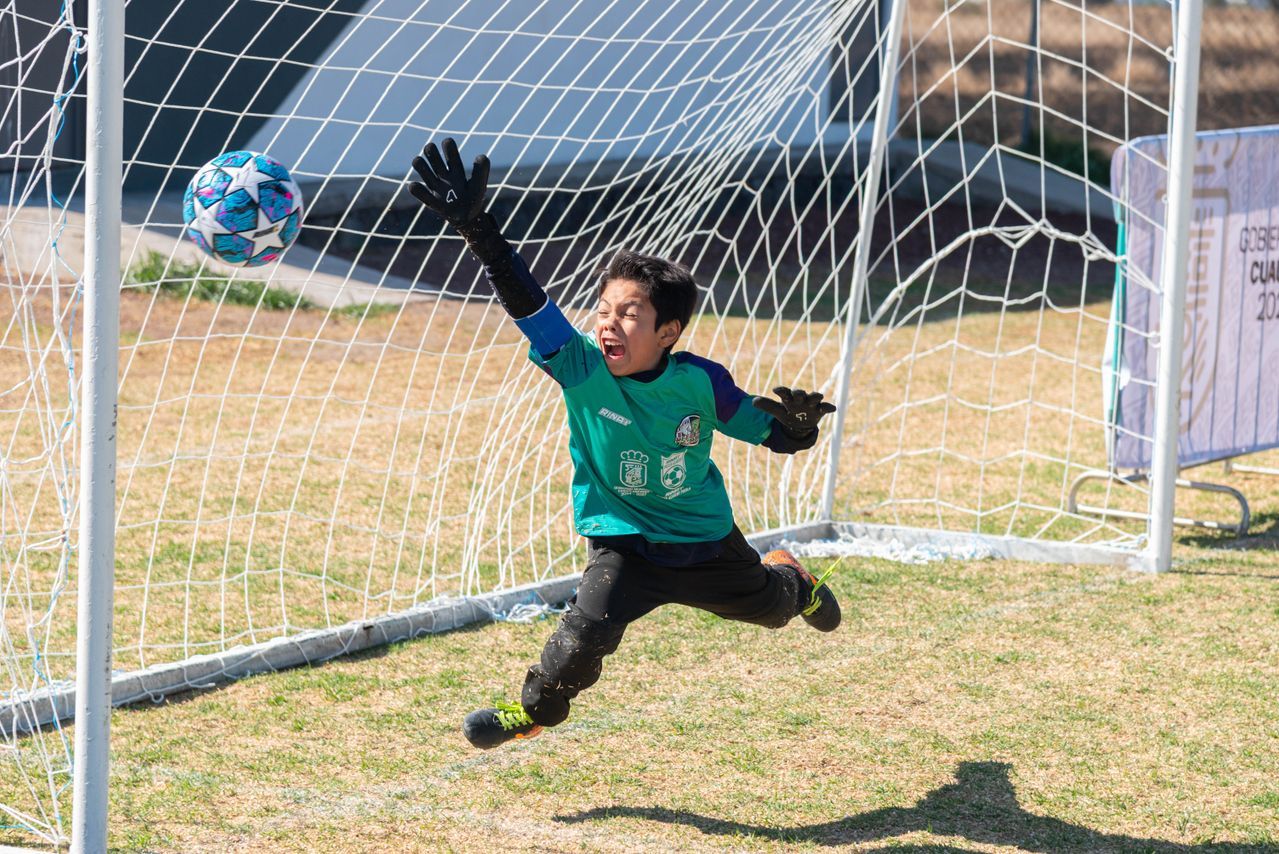
It happens on the ride home. Somewhere between the stadium and your driveway, a voice from the back seat: "Can I play soccer?"
If you took your kid to a World Cup match at Atlanta Stadium this summer, the odds of this moment were always high. Seventy thousand people, drums, flags, a penalty that made the whole building gasp - of course they want in. The question is what you do with the moment, because childhood sports enthusiasm has a half-life measured in days. Handled well, that back-seat question becomes a season, maybe a childhood. Handled with "we'll look into it," it becomes a memory by August.
This is the exact playbook. Not "explore your options" - an actual sequence, starting today, in your driveway, for free.
Today: put a ball at their feet before the feeling fades
Do not start with research. Do not start with registration. Start with a ball, today, while the match is still echoing.
If you don't own a soccer ball, buy one on the way home - any sporting goods store, any big-box store, size 3 for little kids, size 4 for roughly ages 8 to 12. Total investment: about the cost of lunch. Then go outside and let them kick it. That's it. That's day one. No coaching, no drills, no YouTube tutorials. A kid who spends an hour messing with a ball while pretending to be whoever scored last night is doing the most valuable training available at this stage: falling in love.
Here's where we'll show our cards, because this is literally why we built it: Soccer Kickoff Level 1 is our free program for exactly this kid. It starts in the driveway, requires nothing but a ball, and walks a total beginner through their first real skills with short videos from real coaches - so you don't have to know anything about soccer to be the parent of a kid learning it. Start Level 1 tonight. It costs nothing, and it converts back-seat enthusiasm into a habit before the week is out.
This week: find where the kids actually play
Enthusiasm needs company. A kid alone in a driveway plateaus fast; a kid kicking with other kids doesn't want to leave. So while the driveway habit forms, your job this week is scouting.
Pickup and casual play first. Most Atlanta neighborhoods have more informal soccer than parents realize - park pickup games, school-friend kickabouts, community kicks organized on neighborhood apps and parent group chats. Ask in your school's parent group and your neighborhood app; you'll usually surface something within a mile of your house. For a brand-new player, twenty minutes of chaotic park soccer with other kids is worth more than any structured session, because the lesson being learned is "this is fun and I belong here."
And notice what's around you this particular summer: with the World Cup in town, half the kids in the metro are in the same freshly-obsessed state as yours. There has never been an easier month to find other seven-year-olds who suddenly care about soccer.
This month: catch the rec sign-up window
Now the structured step - and the one with a deadline. Recreational soccer is where new players should start: inexpensive (roughly $100 to $600 for a year, at the gentle end for most rec leagues), low-pressure, everybody plays, coached by parent volunteers who care more about fun than formations.
The catch is the calendar. Fall rec season registration windows typically open in the summer - many leagues open sign-ups in early-to-mid summer and popular age groups fill up. Your kid caught the World Cup bug at precisely the right time of year, but only if you act on it: this month, find your local rec program (your neighborhood club, your county parks program, or the intown clubs like Inter Atlanta FC all run rec leagues), find the fall registration date, and put it in your phone with an alarm. This is the single most important administrative act of your kid's new soccer life. A kid who watched the World Cup in June and starts rec soccer in September has a perfect on-ramp. A kid whose parent missed the window waits until spring, and half-lives being what they are, may not still care by then.
That's the whole near-term sequence: ball today, other kids this week, rec registration this month. Everything else is optional.
For the kid who wants more
Some kids don't just want to play; within weeks they're inhaling everything. For that kid, Atlanta has supplemental options worth knowing about.
Camps are the natural next dose - a week of concentrated soccer that a rec season can't provide. We maintain a full directory of Atlanta soccer camps with honest verdicts on which suit serious kids versus casual ones; a summer camp week plus a fall rec season is the classic first-year combination.
And for the truly hungry: Atlanta United runs a tryout-based Regional Development School for kids ready for more than rec pace. Note the phrase tryout-based - it's selective, and it's for kids who've already shown real appetite and ability, not for week-two beginners. File it away as a future waypoint rather than a Monday errand. Your kid will tell you, through sheer relentlessness, if that path is theirs.
Now, the section where we talk you off the ledge
At some point in the next month - probably at a rec practice, watching some eight-year-old do stepovers - a thought will land in your chest: my kid is behind. Other kids started at four. Have we missed it?
No. And this isn't feel-good reassurance; it's how the actual system is built. The Atlanta United Academy - the real elite pipeline, the one that produces professionals - only fields teams from U-13 up. Read that again: the most serious development institution in Georgia soccer does not field a team below age thirteen. There is no elite ladder for seven-year-olds because the people who run elite soccer know that seven-year-olds don't need one. What a young kid needs is thousands of happy touches on a ball and a reason to keep showing up. That's it. That's the whole curriculum for years.
So every "behind" feeling you get watching some tiny prodigy: let it go. The kid doing stepovers started earlier; he didn't lock in some permanent advantage. Development soccer doesn't take attendance until the teenage years, and the on-ramp your kid actually needs - driveway, friends, rec league - is fully open and fully sufficient.
What to buy (and what not to buy yet)
New-soccer-parent enthusiasm has a failure mode, and it's the shopping cart. Here's the complete equipment list for month one: a ball in the right size, shin guards for when group play starts, and sneakers. That's it. Cleats can wait until rec season actually begins - feet grow, and driveway soccer works fine in sneakers. The pop-up goal, the rebounder, the agility ladder, the GPS vest you saw an academy kid wearing: all of it is either premature or permanently unnecessary. The correlation between early equipment spending and a kid still playing in two years is zero. If anything it runs backward, because a garage full of gear becomes a monument to pressure.
There is one purchase that punches above its weight, though: a second ball. Balls end up on roofs, in bushes, deflated by mysterious forces. A soccer habit interrupted for a week while a replacement ships is a habit at risk. Two balls, one habit, no gaps.
The one thing that predicts whether this sticks
It isn't talent, and it isn't which program you pick. It's whether soccer keeps being fun through the clumsy phase - the months where your kid whiffs kicks and loses the ball and briefly considers quitting for Minecraft. Kids quit sports when the fun stops. Your entire job as the parent of a new player is defending the fun: play with them badly (kids love being better than a parent at something), watch more matches together while the World Cup is still in town, celebrate effort and ignore mistakes, and never - never - turn the driveway into a performance review.
One last preemptive answer, because it comes up in every parent group: "should I get them private lessons?" Not yet. Private coaching has its place years from now, for a committed player working on specific weaknesses. For a brand-new player, a private lesson buys expensive versions of things that are currently free - touches, encouragement, and fun - while adding the one ingredient a new player doesn't need: an adult evaluating them one-on-one for an hour. Spend the lesson money on a rec season and a camp week instead. Same dollars, triple the soccer, none of the pressure.
The plan, on one line
Ball today. Soccer Kickoff Level 1 tonight - free, in the driveway. Other kids this week. Rec registration alarm set this month. Camps and beyond when the kid demands it. Panic about falling behind: never, because the real ladder doesn't even start until thirteen.
The match lit the match. The driveway keeps it burning. Start Level 1 tonight - the first skill takes ten minutes, and the coach in the video does the explaining so you can do the cheering.