
Beating the Georgia Heat: Training Your Kid Outdoors All Summer, Safely
US Soccer's G.O.A.L. framework, the AAP's hydration numbers for small bodies, and the WBGT reading Georgia's own high schools train by.
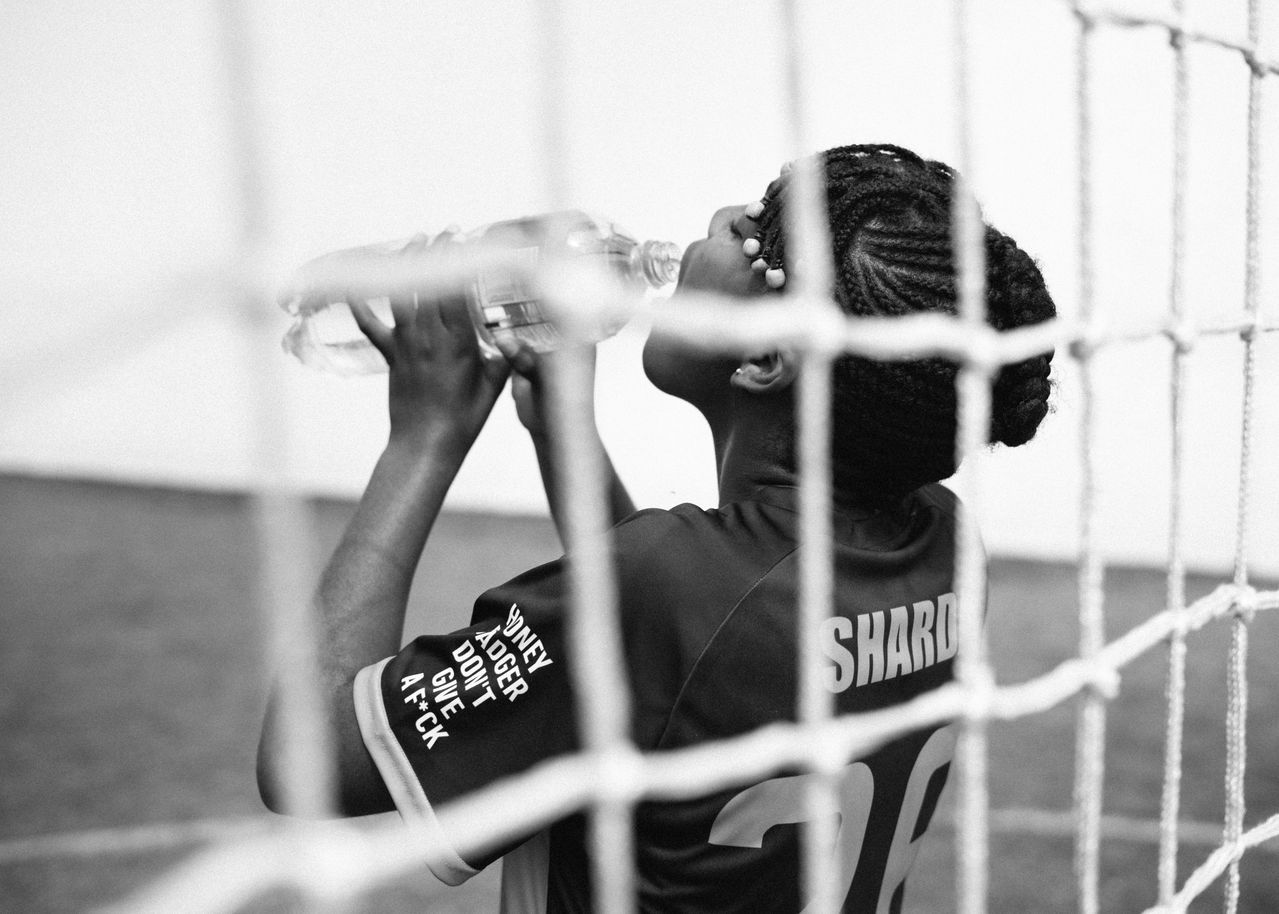
Here's a detail that should recalibrate how you think about kids and heat: thirst is not a reliable signal. By the time a child says they're thirsty, they're already behind on fluids - which is why every serious youth sports body schedules drinking by the clock instead of waiting for kids to ask. Your kid, mid-game, absorbed in the ball, is the least reliable narrator of their own hydration in the entire state of Georgia.
That one fact is the difference between the two ways parents get summer soccer wrong here. The first way is denial: it's fine, kids play outside, we survived the nineties. The second is surrender: it's too hot, we'll pick soccer back up in October - by which time the World Cup spark your kid caught in June has long gone cold. Both are wrong. Atlanta summers are legitimately brutal, and kids can absolutely train through them - with a system. Not vigilance, not vibes: a system. Here it is.
Why kids and heat need more respect than adults and heat
Quick physiology, no lecture. Children heat up differently than adults - smaller bodies, different sweat response, and, most dangerously, worse self-monitoring. An adult runner notices they feel off and slows down. An eight-year-old chasing a ball notices nothing until they're sitting down suddenly. The systems below exist because you cannot outsource heat judgment to a child. The adult holds the clock, the schedule, and the veto. The kid just plays.
The framework: G.O.A.L.
US Soccer - the sport's own governing body - teaches heat safety through a memory device built for exactly this, and it's worth learning as written: G.O.A.L.
G - Get acclimated. Heat fitness is trainable and takes time. A kid who's been in air conditioning all June cannot safely do on July 1 what a kid who's been playing outside gradually all along can. When starting summer training - or returning from a vacation, or ramping up after a lazy stretch - begin with shorter, lighter sessions and build over a week or two. This also carries a camp implication: the week before a full-day outdoor camp, get your kid outside playing daily, even briefly. Don't let a 9-to-3 outdoor Monday be their first hot outdoor hour of the summer.
O - On-schedule drinking. The thirst fact again, now operationalized: kids drink by the clock, not by request. You hold the schedule (numbers below). Water breaks are called by the adult, at intervals, every time, whether the kid claims to need one or not. The claim is worthless; the clock is not.
A - Always bring a sports drink. For longer or more intense sessions, water alone doesn't replace what sweat takes out. US Soccer's guidance is to have a sports drink on hand, not just water. For a twenty-minute driveway session, water is fine. For a long hot session, a tournament day, or camp, pack both.
L - Learn the signs. The early warnings of heat trouble: fatigue beyond normal tiredness, dizziness, nausea, headache. Any one of them means stop now - shade, fluids, session over, no negotiating and no "one more drill." Teach the signs to your kid too, in kid language ("if you feel dizzy or your head hurts or your stomach feels weird, tell me immediately - you're not in trouble, and we'll always stop"). Making it consequence-free to report symptoms is half the battle, because kids who fear losing playing time will hide exactly the signals you need.
The actual numbers for small bodies
"Make sure they hydrate" is useless advice. Here are the numbers, courtesy of the American Academy of Pediatrics: during activity, a child should drink every 20 minutes - about 5 ounces for a kid under 90 pounds, about 9 ounces for a kid over 90 pounds.
Make that concrete at your house. Five ounces is roughly ten kid-sized gulps; find where it lands on your kid's actual water bottle and mark the line if the bottle isn't already marked. Then structure sessions around the interval: twenty minutes of play, called break, drink to the line, resume. In the driveway, you're the timekeeper. At a camp or practice, this is a quality-of-program tell - ask any camp director how often scheduled water breaks happen in summer, and treat a vague answer the way you'd treat a vague answer about staff screening.
Learn the number the pros use: WBGT
Here's where you graduate from most parents. The temperature on your weather app is not the number that matters. The number that matters is Wet Bulb Globe Temperature - WBGT - a measure that folds in humidity, sun load, and wind, not just air temperature. It matters because humidity is the real villain in Georgia: sweat cools by evaporating, humid air blocks evaporation, so a humid 88 degrees can be more dangerous than a dry 95.
This isn't an exotic metric. Georgia's own high school athletic association already mandates rest breaks for athletes based on WBGT readings - the people who run high school sports in this state decided years ago that regular temperature wasn't good enough to protect teenagers. Your seven-year-old deserves the same standard. WBGT readings and forecasts are easy to find (many weather services publish them), and the habit to build is simple: before an outdoor session, check WBGT, not just the temperature. When it's high, shorten the session, add breaks, or move to the evening. When it's extreme, the driveway can wait for tomorrow - juggling practice works fine in the garage.
The simple stuff that does most of the work
The unglamorous fundamentals prevent more heat trouble than everything above combined.
Train at the ends of the day. In a Georgia July, the difference between 10 a.m. and 6 p.m. soccer isn't comfort, it's category. Early morning and evening are when summer training belongs; midday is for pools, screens, and watching match replays. If your family does the driveway plan, make it an after-dinner ritual - cooler air, and a parent who's home to count the drills anyway.
Light and loose clothing. Light colors reflect heat, loose fits let air move and sweat evaporate. The all-black replica kit of your kid's favorite team is, regrettably, the worst possible summer training outfit. Save it for indoors and buy the driveway sessions a light-colored t-shirt.
Shade on every break. Not optional, not sometimes: every water break happens in shade. Standing in full sun while drinking undoes half the break's value. No shade where they play? Bring it - an umbrella in the ground by the water bottles is a perfectly good shade policy. At camps, look for whether break areas are shaded; it's another small tell that separates programs that think about this from programs that don't.
Applying all this to camp week
Everything above assumes you're the adult on site. For a camp week, you're delegating the system - so audit the delegation. Three questions for any summer camp, askable in one email: How often are scheduled water breaks, and are they by the clock or "as needed"? Are break areas shaded? Do you adjust or move sessions based on heat readings - and which reading do you use? A program that answers with specifics (every 20 minutes, shaded pavilion, we check WBGT and modify) has a system. A program that answers "our staff always keeps a close eye on the kids" has a hope. Georgia's high schools are required to do better than hope; your kid's camp should volunteer to.
Then do your half: send two labeled bottles - one water, one sports drink - and a light-colored shirt, and run the acclimatization ramp the week before so day one isn't your kid's first hot hour of the summer.
The whole system on one card
Check WBGT before outdoor sessions, not just the temperature. Build up gradually after any indoor stretch - acclimatization is real. Drinks happen every 20 minutes by the clock: about 5 ounces under 90 pounds, about 9 over. Bring a sports drink alongside water for long or intense days. Train mornings and evenings, in light loose clothes, with every break in shade. And stop immediately at fatigue, dizziness, nausea, or headache - teach your kid the list, and make reporting it consequence-free.
That's it. Tape it to the water cooler. What this system buys you is the thing this whole site is about: a kid who keeps playing. The World Cup made your kid a soccer kid in June. The families whose kids are still soccer kids in September are mostly the ones who didn't let July and August break the habit - who moved sessions to the evening instead of canceling them, and kept the streak alive.
The driveway plan in our Soccer Kickoff program is built for exactly this: short sessions, fully compatible with a 7 p.m. start and a water bottle on the porch step. Start Level 1 free, run it at the cool ends of the day, and your kid trains straight through a Georgia summer - safely, and without ever losing the thread. For the rest of the summer's guides - camps, match days, and what comes after the World Cup leaves town - the newsletter has you covered.